 Goalora
Skating
intermediate · locomotion
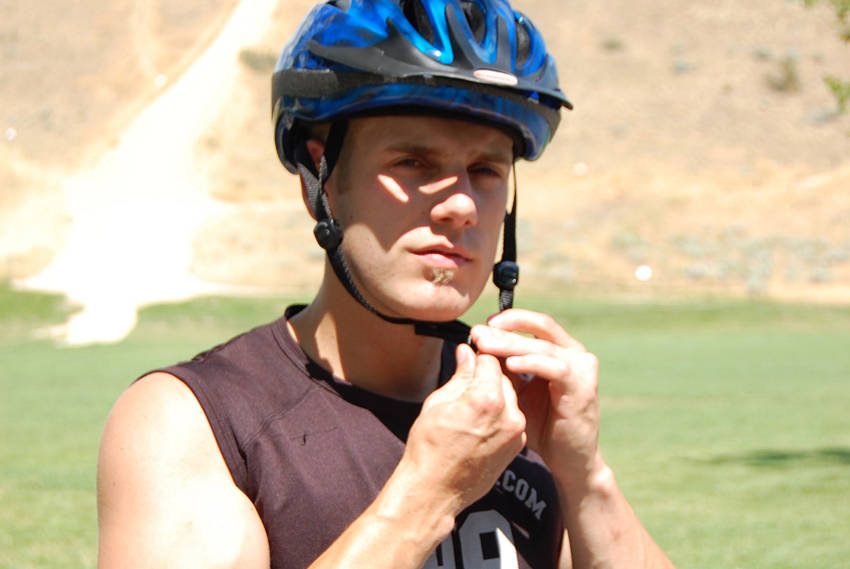
Setup
Wear full protective gear: a helmet plus wrist, elbow and knee guards. Choose a flat area with little foot or vehicle traffic to practice.
Execution
- Warm up by standing steady and practicing slow movement for the first few minutes.
- Push off with each leg alternately at an angle behind you, shifting your weight through the pushing leg.
- Keep your knees slightly bent and your center of gravity low to control speed and direction easily.
- Gradually build speed once you feel comfortable with your balance, always watching ahead for obstacles.
- A beginner aims for 20-30 minutes of continuous skating at a pace where full sentences still come out, not counting the few slow minutes at the start; fatigue that costs you focus is the moment to stop rather than to add another lap.
- Learn an active stop before you build any speed: the heel brake or a T-stop on skates, a blade turn on ice.
Breathing
Breathe steadily with your movement, never holding your breath. Chest tightness, dizziness or unusual shortness of breath means stopping to rest.
Quick cues
- Low center of gravity, soft knees.
- Push at an angle behind each leg.
- Always look ahead.
- Learn to stop before speeding up.
Common faults
Fault: Skating without full protective gear
Fix: Always wear a helmet and wrist, elbow and knee guards before starting.
Fault: Standing with stiff, locked knees, losing balance easily
Fix: Keep the knees softly bent and the center of gravity low throughout the session.
Fault: Speeding up before learning how to stop
Fix: Practice the stopping technique at slow speed before building up pace.
Fault: Practicing in areas with heavy traffic or poor surfaces
Fix: Choose a flat, quiet area free of traffic to practice safely.
Equipment
other
Muscle groups
legs, calves, glutes, cardio